HISTORIC PHOTOGRAPHY
What to Do With Old Photographs
A calm, practical way to sort inherited photographs, protect the ones that matter, and let their stories keep moving.

A box of old photographs can feel less like a collection than an unfinished conversation. There may be faces you know, places you almost recognize, and a handful of images that seem important even before you can say why. The good news is that you do not need to solve the whole box in an afternoon. The first job is to keep the photographs and their stories from getting separated.
Start slowly. Put aside the handful that matter most, make a simple record of what arrived together, and resist the urge to clean, repair, or discard before you have looked. The National Archives advises keeping originals after digitization because physical photographs hold value that a file cannot replace. A calm process lets you preserve the emotional value, the visual interest, and the useful clues without turning family history into another chore.
Begin with the story, not the sorting bin
Before making keep, share, or donate piles, photograph the box, album, envelope, or stack as you found it. A penciled name, studio stamp, address, or sequence of snapshots can explain a great deal later. Keep loose notes with the images: who brought them into the family, where they were found, and which details are certain versus remembered. A photograph without a caption can still become identifiable when it stays connected to its neighbors.
Handle prints by their edges on a clean, dry table. Do not use tape, household cleaners, or a damp cloth to make a photograph look better. A print that is curled, stuck to glass, moldy, flaking, or wet needs patience, not a home remedy. The Library of Congress has practical collections-care guidance for careful handling and storage.
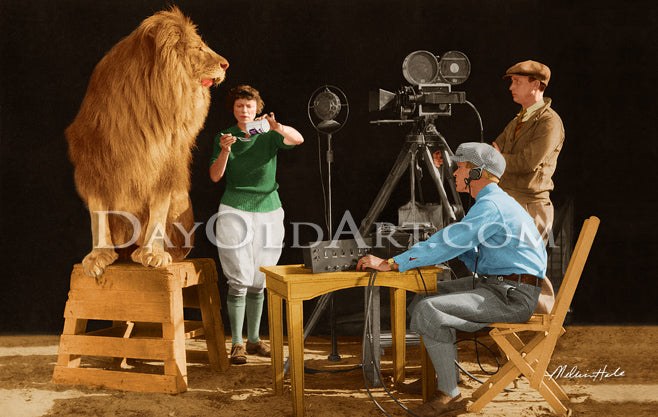
Make four useful decisions
Most inherited photographs eventually belong in one of four places: kept as originals, shared as copies, donated to a fitting home, or released after their information has been saved. This is less brutal than it sounds. The point is not to make every image earn a museum label. It is to give each group an intentional future.
Keep originals when the photograph is personally meaningful, visually strong, connected to a named person or place, or part of a coherent album. Share copies when relatives may recognize faces or want their own access. Consider donation when a group documents a neighborhood, business, school, service unit, event, or community that a local archive might value. Release duplicates only after saving the best example and any notes that explain it.
If the box is overwhelming, begin with ten images. The collection will tell you what it needs once a few names, dates, and recurring places begin to emerge.
Preserve the information while people can still supply it
Ask the people who might know something now. A five-minute phone call can identify a house, a uniform, a maiden name, or the reason a photograph was saved. Record who supplied the detail. “Aunt Lena believed this was Detroit, about 1948” is far more useful than a bare guess written as fact.
For each selected image, capture four basics: who appears, what is happening, where it was made, and when it was made or approximately made. The National Archives recommends adding this basic “who, what, where, and when” information to digital files. Keep original captions and envelopes alongside the print. They are part of the object’s history, not disposable packaging.
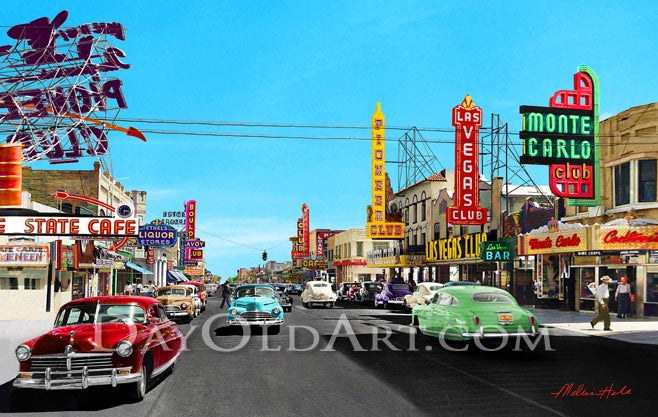
Digitize for access, then keep the originals stable
Scanning makes it easier to share photographs without passing a fragile original from hand to hand. Scan the most important, vulnerable, or frequently requested images first. Save an untouched master file, then make copies for cropping, printing, or light visual correction. A simple filename such as “1948-Detroit-Lena-and-Roy” is much more useful than a camera default.
Digitization is not permission to discard. Files can be lost, hard drives fail, and the original can preserve material details that a scan does not show. The National Archives digitization guide recommends careful handling and keeping the original after scanning. Back up digital copies in more than one place, while storing prints in a cool, dry, stable part of the home.
For a fuller guide to sleeves, storage, and fragile prints, read how to preserve old photographs without harm.
Give unidentified photographs one more chance
Unknown faces are not automatically meaningless. Look for names on the back, storefront signs, license plates, studio imprints, school insignia, fashion, and landmarks. A single local clue can turn an anonymous portrait into a useful record. Group related photographs together and ask relatives about the group rather than showing one isolated print at a time.
If an image is unrelated to your family but clearly documents a place or community, a local historical society, library, or archive may be a better steward than a drawer. Contact the organization before sending anything. Share a few photographs and explain what is known about their source. A thoughtful institution will tell you whether the material fits its collection and what provenance it needs.
Choose what to keep with a collector’s eye
When every photograph cannot stay, choose with attention rather than guilt. Keep the clearest version when several prints repeat the same moment. Preserve images that show a place before it changed, an ordinary room with revealing detail, a family member in an unmistakable setting, or a photograph whose composition makes you stop. A small snapshot can be historically modest and still carry a remarkable visual life.
Notice what makes an image particular. A storefront in the background can locate a neighborhood. A hand-painted sign, a car, a hat, or the way people stand together can tell a story that a formal portrait cannot. These are the qualities that make old photographs rewarding objects of close looking. They also help you explain to another person why one print is worth keeping when a dozen similar ones are not.
Albums deserve their own caution. An album may be difficult to store, but its sequence can be meaningful. Before removing anything, photograph each page and record the order. If pages are adhesive, brittle, or tearing, do not force photographs free. An album can be an artifact in its own right, and separating it may erase the relationship between images, captions, and the person who assembled it.
Share without losing the thread
Sharing digital copies is often the fastest way to turn a private box into a family record. Send a small batch at a time with a simple request: name anyone you recognize, identify the place if possible, and say how certain you are. People are more likely to respond to six images than sixty, and the answers will often lead to the next useful group.
Keep one master folder under your care, even if several relatives receive copies. Add new information to the filename or a companion note instead of letting each person’s version drift into a different story. If several people disagree about a date or identity, preserve the alternatives. A record that says “possibly Ruth, according to Joan” is more honest and more useful than a confident label built on a guess.
This is also a good moment to share an image as a gift. A carefully printed reproduction, a small family booklet, or a framed copy can bring a photograph back into everyday life while the original stays protected. The value comes from the connection it renews, not from an elaborate presentation.
When donation is the right next chapter
A photograph can outgrow one household without losing its importance. Collections tied to a local business, a neighborhood, a school, a club, a community event, or a regional landmark may be valuable to an archive that can connect them with other records. Donation is strongest when it preserves context. Keep groups together, include original labels, and explain how the material came to you.
Do not assume every organization wants every image. Archives have collecting policies, storage limits, and particular missions. A brief email with a few low-resolution scans is a respectful first step. If the material is not a fit, ask whether another local group might be interested. The goal is a responsible match, not simply clearing space.
If no institution can take the photographs, you can still keep the information alive. Scan the strongest examples, preserve your notes, and share them with people connected to the place. A photograph of an ordinary street, workplace, or gathering can become more meaningful when someone else recognizes a detail you missed.
Let the strongest images live in the present
Some old photographs deserve to be seen, not just stored. Use indirect light and stable framing for an original, or make a quality reproduction for everyday display. That choice protects a fragile print while allowing the image to remain part of a room, a family story, and ordinary conversation.
Think about scale and setting before framing. A small portrait can gain presence in a generous mat, while a busy street scene may reward a larger reproduction that gives its details room to breathe. Keep the original away from direct sun, fireplaces, kitchens, damp exterior walls, and rooms with abrupt temperature changes. A display choice should make the image easier to enjoy, not ask the photograph to endure a harsh environment every day.
This is also where historic photographs become art. Day-Old Art begins with archival images and works through research, restoration, and hand-applied color to give them a new presence on the wall. The craft page explains the studio’s process, while the current collection offers historic scenes made to be lived with. Color does not replace the source. It gives a viewer another way to return to it.
For a closer look at that distinction, read a thoughtful way to look at colorized historical photos. The best result is not a perfectly organized box. It is a collection whose images, clues, and questions remain available to the people who come after you.
Frequently asked questions
Should I throw away old photographs nobody can identify?
Not immediately. First photograph or scan the group, keep any captions or envelopes, and ask relatives or a local history organization whether the images carry useful clues. After that, keep only what has personal, visual, or historical value to you.
Should I scan old photographs before donating them?
Yes, when you want to retain access to images you are giving away. Keep basic notes about the people, place, and source with the digital files, then ask the receiving organization what documentation it needs.
Can old photographs be displayed safely?
Yes. Use indirect light, stable framing materials, and a room away from heat and moisture. For a fragile or especially meaningful original, display a quality reproduction and store the original safely.
Related posts
How to Preserve Old Photographs Without Harm
A practical collector's guide to handling, storing, scanning, and displaying old photographs with care.
Read the essay →Colorized Historical Photos: A Thoughtful Way to Look
How color changes the way we meet an old photograph, and what a careful viewer should notice before drawing conclusions.
Read the essay →